Maryland Medical Debt Laws: What Applies in Maryland

Maryland Medical Debt Laws

Maryland legally bans hospitals and collection agencies from reporting medical debt to Equifax, Experian, or TransUnion, regardless of the type of healthcare bill. This credit reporting ban, combined with a short 3-year statute of limitations, means collectors lose their two most powerful weapons faster in Maryland than almost anywhere else. Maryland hospitals must screen patients … Read more


Illinois Medical Debt Laws: What Applies in Illinois

Illinois Medical Debt Laws

Illinois has actively erased over $400 million in medical debt for residents through a dedicated state forgiveness program partnered with Undue Medical Debt. Patients with a household income below 600% of the Federal Poverty Level, or those who are uninsured and demonstrate an inability to pay, are the primary focus for debt relief under state … Read more

California Medical Debt Laws: What Applies in California

California Medical Debt Laws

California is the only state where the Rosenthal Act makes original hospitals subject to the same strict rules as third-party debt collectors. Starting in 2025, medical debt cannot legally be placed on your credit report in California. Under AB 1020, California hospitals are legally required to screen you for financial assistance before sending your account … Read more

Does Medical Debt Die With You? What Happens to Your Bills After You’re Gone

Does Medical Debt Die With You

Medical debt does not automatically disappear when you pass away, but it rarely becomes the personal financial burden of your family members. Unpaid hospital bills become claims against your estate, meaning they are paid from the assets you owned at the time of your death. If your estate has no assets, or the assets run … Read more

Montana Medical Debt Laws: Statute of Limitations and Collection Rules

Montana Medical Debt Statute Of Limitations

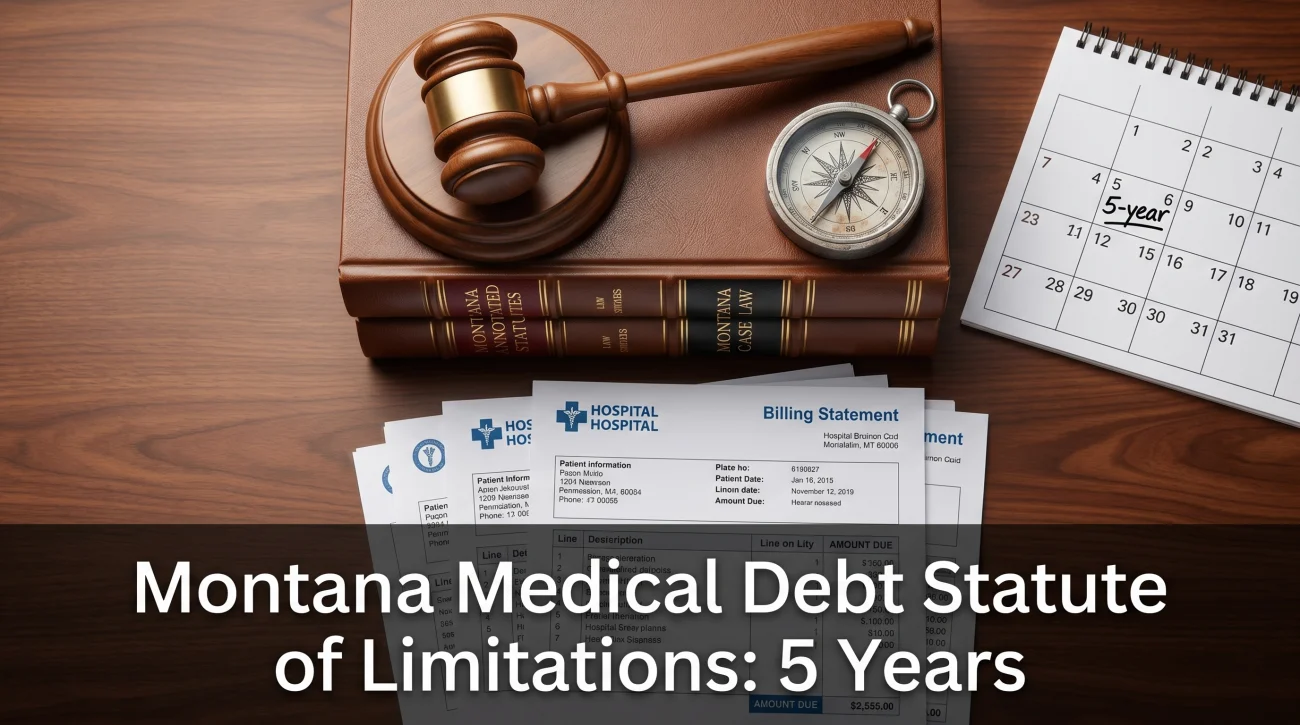
The statute of limitations for medical debt in Montana is 5 years under state law. The legal clock starts on the date of your first delinquency, not the date you received the medical care or the date the debt was sold. Because many Montana residents travel far for regional healthcare, delayed billing often creates disputes … Read more

Where Does Medical Debt Go When You Die? What Happens After Death

Where Does Medical Debt Go When You Die

Medical debt does not automatically transfer to your family members when you pass away. Unpaid hospital bills become a claim against the deceased person’s estate, which pays what it can from available assets. If the estate has no assets, the unsecured medical debt is typically discharged and goes uncollected. Collectors can contact the estate executor … Read more

Minnesota Medical Debt Statute of Limitations: 6 Years

Minnesota Medical Debt Statute Of Limitations

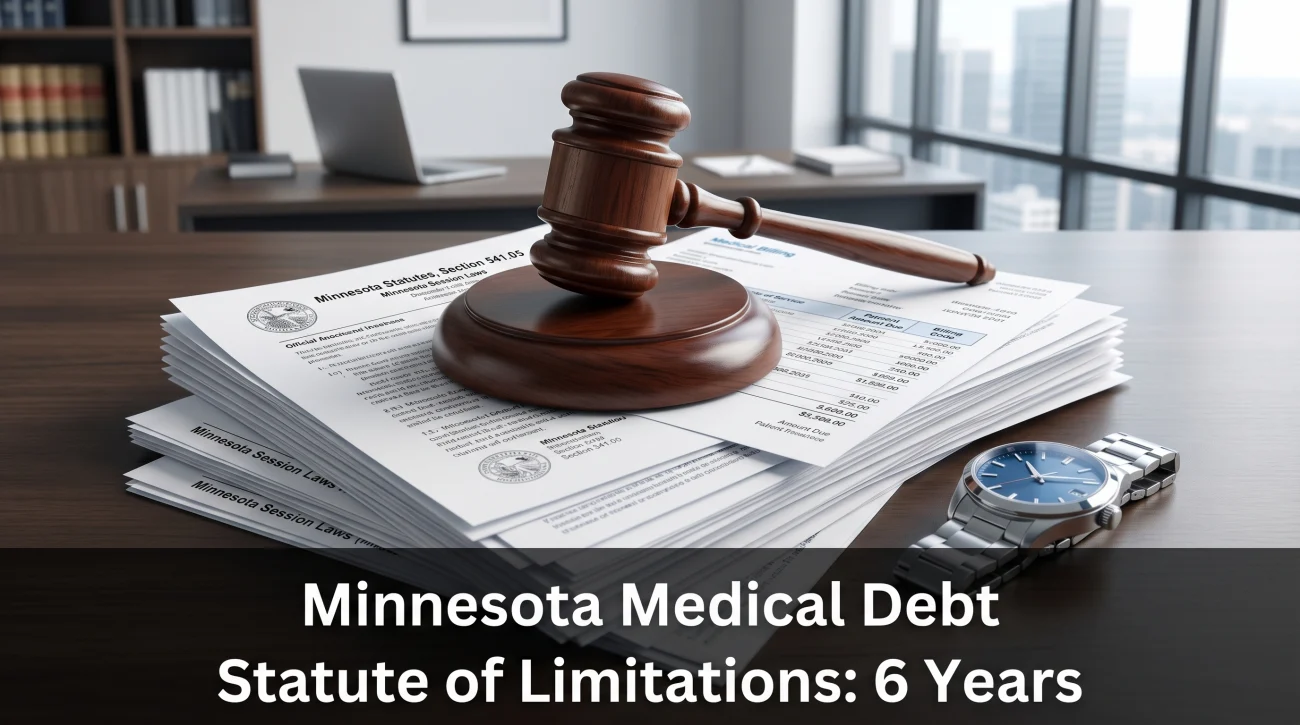
The Minnesota medical debt statute of limitations is 6 years, meaning collectors have a six-year window to file a lawsuit against you for an unpaid hospital bill. This 6-year legal clock starts ticking from the date of your last payment or the date the account first became delinquent. Making a partial payment or acknowledging the … Read more

Medical Debt Consolidation Loan: When It Makes Sense (And When It Doesn’t)

Medical Debt Consolidation Loan

Consolidating medical bills replaces flexible, interest-free hospital debt with a rigid, interest-bearing consumer loan. It makes the most sense if you have already put your medical bills on a high-interest credit card and need a lower interest rate to stop the financial bleeding. Never take out a personal loan to pay a hospital without confirming … Read more