Texas Medical Debt Laws: What Applies in Texas
Texas Medical Debt Laws

Texas provides some of the strongest asset protections in the country for medical debtors. Your primary residence is protected by an unlimited homestead exemption, meaning a hospital cannot take your home. Medical debt collectors cannot garnish your wages in Texas. While wages and homes are safe, collectors can still attempt to freeze funds in your … Read more


Oregon Medical Debt Laws: What Applies in Oregon

Oregon Medical Debt Laws

Oregon hospitals are legally required to screen patients for financial assistance and charity care eligibility before sending an account to collections. If a hospital transferred your balance to a third-party agency without completing this mandated screening, you have strong grounds to dispute the collection. State legislation provides broad protection against medical debt appearing on consumer … Read more

Ohio Medical Debt Laws: What Applies in Ohio

Ohio Medical Debt Laws

Ohio is currently considering HB 257, the Medical Debt Fairness Act, which proposes banning wage garnishment and capping interest at 3 percent for medical debt. Under current Ohio law, if a collector obtains a court judgment, they can still garnish up to 25 percent of your disposable wages. The legal window for a collector to … Read more

New Jersey Medical Debt Laws: What Applies in New Jersey

New Jersey Medical Debt Laws

New Jersey hospitals are required to screen patients for charity care eligibility before sending an account to a third-party collection agency. If your hospital skipped the financial screening process, the collection effort itself may be legally disputable. Recent state legislation prohibits medical debt from being reported to consumer credit bureaus, removing a major leverage point … Read more

Nevada Medical Debt Laws: What Applies in Nevada

Nevada Medical Debt Laws

Nevada law prohibits collection agencies from reporting medical debt to credit bureaus, removing one of the biggest threats collectors use against patients. State law strictly limits the ability of medical creditors to place property liens on your primary residence, protecting your home from medical judgments. While your credit and home have strong protections, collectors in … Read more

Can a Disputed Medical Bill Be Sent to Collections? The Rules During Active Dispute

Can A Disputed Medical Bill Be Sent To Collections

Federal regulations, specifically for nonprofit hospitals, generally prohibit sending an account to a collection agency while a formal billing dispute or financial assistance application is actively pending. Verbal complaints made over the phone often fail to trigger the system “hold” needed to stop automated collection sweeps, leaving your account vulnerable. If a collection agency contacts … Read more

What Actually Happens When Medical Debt Goes to Collections (The Part No One Explains)

What Happens When Medical Debt Goes To Collections

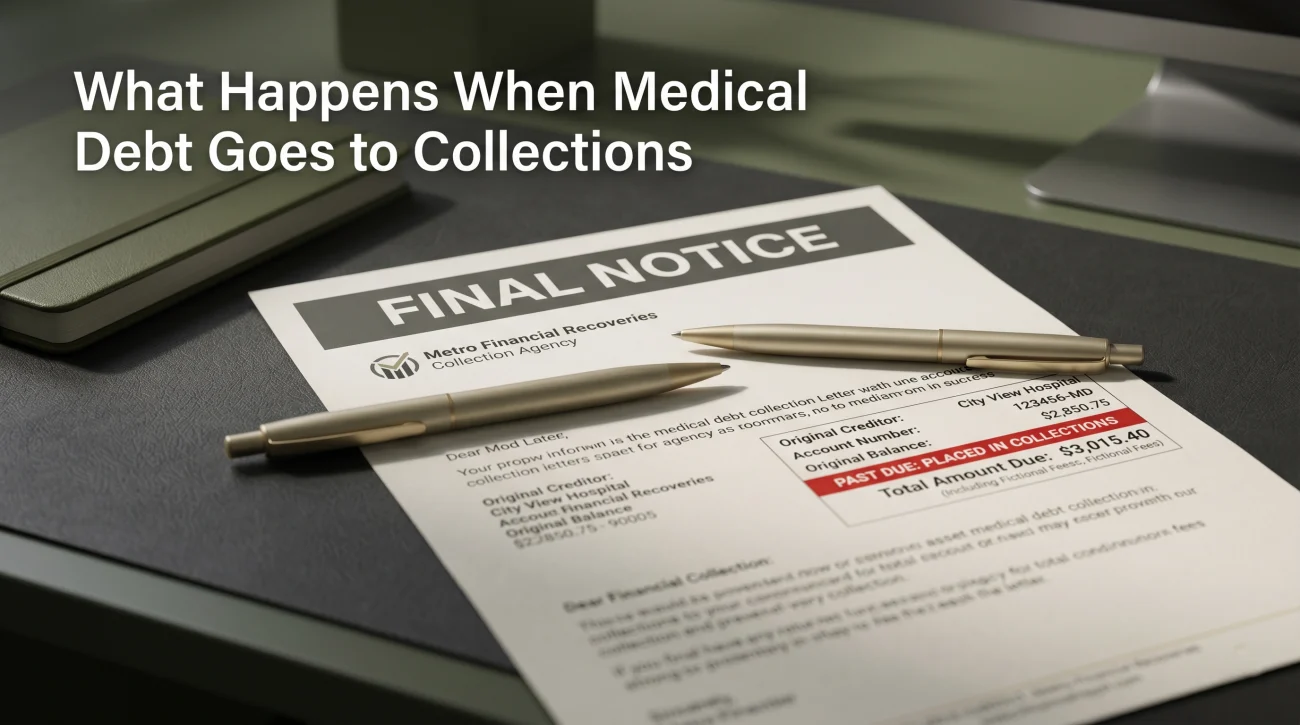
Once your account leaves the hospital, you are no longer dealing with a healthcare provider – you are dealing with a business focused entirely on financial recovery. There are three distinct types of collectors (assigned agencies, primary buyers, and downstream buyers), and knowing which one is calling you dictates exactly how much leverage you have. … Read more