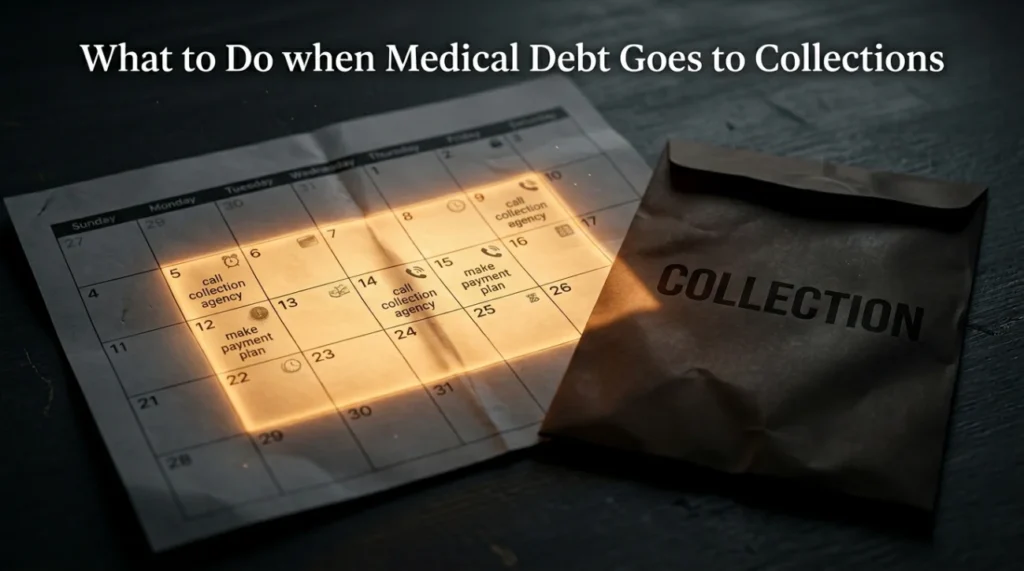
- The 30 days immediately following your first contact with a medical debt collector dictate your options. What you do during this window determines your leverage.
- Never make a payment or give out banking information during the initial phone call. Paying without validating the debt confirms you owe it and can accidentally restart the legal clock on old accounts.
- You must verify the collector is legitimate and send a written request for debt validation using certified mail. This legally pauses collection activity while they gather proof.
- While the collector is validating the debt, request an itemized bill from the original hospital. Most medical bills contain errors, and you should never negotiate until you know the exact charges are accurate.
The Critical 30 Day Window After Your First Notice
Getting a letter from a collection agency or receiving an automated phone call demanding payment for a hospital bill is designed to create immediate panic. The letters look highly official, the deadlines seem urgent, and the phone operators sound authoritative. If you are trying to figure out what to do when medical debt goes to collections, the most important thing you can do right now is slow down.
I have spent years working inside the medical billing and collections ecosystem, and I can tell you exactly what the system expects you to do. The system expects you to panic, assume the hospital’s math is correct, and make a payment over the phone just to make the harassment stop. That is exactly how patients lose their leverage and end up paying for errors they never actually owed.
The moment an account is transferred to a third party, you are no longer dealing with a healthcare provider. You are dealing with a financial entity whose primary objective is to get you to commit to a payment. However, because you are now dealing with a third party, you also gain powerful new federal consumer protections.
You have a very specific, legally defined window of time to act. Here is the exact, step-by-step sequence you need to follow to protect your finances, verify the charges, and regain control of the situation.
Why the First 30 Days Matter Most
Under federal consumer protection rules, you have exactly 30 days from the date of the collector’s initial contact to formally dispute the debt and demand written validation. This is not a suggestion; it is a hard statutory deadline that provides you with your strongest shield.
If you submit a validation request within this 30-day window, the collector is legally required to pause all collection activity. They must stop calling you, stop sending demand letters, and hold off on any escalation until they can produce the documentation proving you actually owe the specific amount they are claiming.
If you miss this 30-day window, you do not lose the right to dispute the bill, but you do lose the automatic legal pause mechanism. The collector can continue pursuing you while the dispute is pending. This is why immediate, methodical action is required. The clock started ticking on the day you received that first letter or answered that first phone call.
Step 1: Do Not Pay Anything Yet
The biggest and most expensive mistake you can make when your medical debt is sent to collections is offering a “good faith” payment over the phone. You might think that paying $20 will show them you are cooperative and get them to back off. In reality, it does the exact opposite.
Making a payment without first verifying the debt does three very dangerous things to your financial position.
- ❌ It confirms ownership: By paying, you are legally acknowledging that the debt belongs to you and that the balance is accurate. If you later find out the hospital billed you for a service you did not receive, fighting it becomes incredibly difficult because you already validated the debt with your wallet.
- ❌ It resets the legal clock: Every state has a statute of limitations that governs how long a collector has the right to sue you for a debt. Making a payment, even a tiny one, can instantly restart that clock from day one, turning an old, legally uncollectable debt into a brand new liability.
- ❌ It destroys your leverage: Once a collector has your payment information and proof that their pressure tactics work on you, they have no incentive to negotiate the total balance or investigate billing errors.
⚠️ Warning: Never give a debt collector your debit card, credit card, or checking account routing number over the phone during an initial inbound call. You have no way of verifying who is actually on the other end of the line.
Step 2: Verify the Collector is Legitimate
Medical billing data is unfortunately vulnerable to breaches, and scammers frequently impersonate collection agencies to target patients who recently visited a hospital. Before you take any formal action, you must verify that the company contacting you is an actual, licensed debt collector operating legally.
If they call you, do not engage in a conversation about your medical history. Keep the interaction strictly administrative. You need to ask them for three specific pieces of information:
1. The exact legal name of their agency.
2. Their physical mailing address.
3. The name of the original medical provider they claim you owe.
If the caller refuses to provide a physical mailing address, becomes aggressive when asked for company details, or insists that you must pay immediately via a wire transfer or gift card to avoid arrest, hang up immediately. Legitimate collection agencies are required by law to provide you with their corporate mailing address and the name of the original creditor upon request.
Step 3: Request Validation in Writing
With the collector’s verified mailing address in hand, you are now positioned to invoke your federal rights. This is where you shift the burden of proof back onto them by sending a formal debt validation request. Crucially, this cannot be handled over the phone. Verbal disputes are notoriously “lost” or misrepresented in collection agency call logs.
“When I audited collection accounts, I routinely saw files where a patient spent 45 minutes on the phone explaining why a bill was wrong. The agent’s notes in the system simply read: ‘Patient called, refused to pay, claims balance is high.’ Without a paper trail, the patient’s detailed dispute effectively never happened.”
You need to write a simple, direct letter stating that you are formally disputing the debt and requesting validation. You do not need to explain why you are disputing it, and you should not include emotional details about your medical care. You are simply demanding that they prove the debt is yours, prove the amount is perfectly accurate, and prove they have the legal right to collect it.
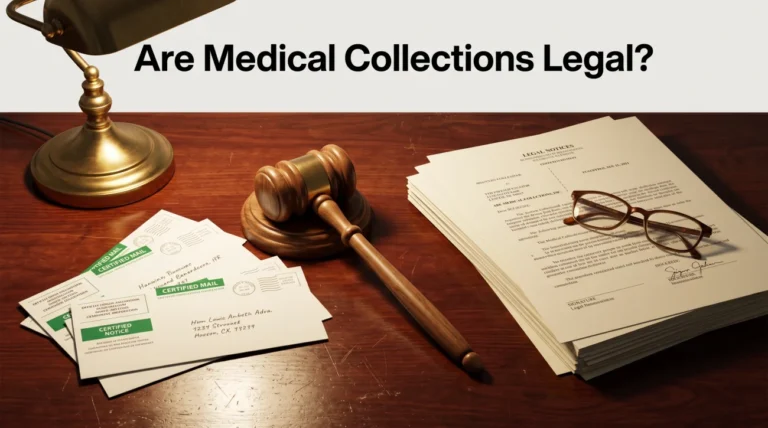
It is absolutely critical that you send this letter via certified mail with a return receipt requested. The return receipt is a physical green card that the postal service mails back to you, bearing the signature of the person at the collection agency who received your letter. This card is your irrefutable proof that you submitted your request within the 30-day window, forcing them to legally pause their collection efforts.
To understand the complete framework of your protections during this validation period, you should review our comprehensive guide on medical debt collection laws.
Step 4: Audit the Original Itemized Bill
While the collection agency is busy trying to gather the paperwork to validate the debt, you need to conduct your own investigation. The amount the collector is demanding is simply the number the hospital’s computer system forwarded to them. That number is very often wrong.
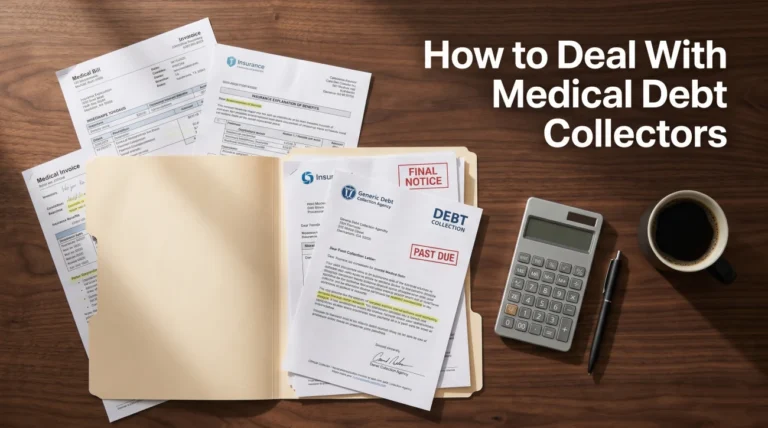
You must contact the billing department of the original hospital or clinic and request a complete “itemized bill” for the dates of service in question. An itemized bill is very different from the summary statement you normally receive in the mail. A summary statement just says “Emergency Services: $3,500.” An itemized bill lists every single medication, every single scan, and every single pair of gloves, alongside their specific billing codes.
Once you have the itemized bill, compare it against your Explanation of Benefits (EOB) document from your health insurance company. You are looking for specific discrepancies:
- Were you charged for a medication or scan you never actually received?
- Did the hospital submit the claim to the wrong insurance network?
- Did your insurance company deny a claim, but the hospital never informed you?
- Is there a duplicate charge where the same service was billed twice?
If you find that the hospital made a fundamental error, your dispute is not actually with the collector. Your dispute is with the hospital’s revenue cycle department. Medical errors are rampant, and finding one completely shifts the power dynamic.
Step 5: Assess Your Options Based on the Response
After you send your certified validation request, you will eventually reach a crossroads. Your next move depends entirely on how the collection agency responds to your letter.
Scenario A: They cannot validate the debt.
Sometimes, especially with older accounts that have been sold multiple times, the collector simply cannot produce the original documentation. If they fail to validate the debt, they are legally prohibited from continuing collection efforts and they must cease reporting it to the credit bureaus. The issue resolves itself.
Scenario B: The bill contains verifiable errors.
If the collector validates the debt by sending you a printout, but your audit of the itemized bill reveals that the hospital double-charged you, you must redirect your fight. You will need to take that evidence back to the original provider. Sometimes, uncovering a massive error or an improper transfer of sensitive medical codes gives you the leverage to explore a medical debt collection HIPAA violation complaint, which can quickly force a hospital to recall the account from collections entirely.
Scenario C: The debt is valid and accurate.
If the collector provides thorough documentation, your insurance processed everything correctly, and you legitimately owe the balance, your strategy shifts from disputing to negotiating. Collection agencies, particularly debt buyers who purchase accounts for a fraction of the original balance, have significant flexibility to accept less than the full amount. If you are in this position, you need to understand the mechanics of how to settle medical debt in collections to resolve the account.
The Reality of That First Contact
The initial contact from a collection agency is designed to be deeply overwhelming. For most patients, the nightmare starts with an official-looking letter arriving on intimidating agency letterhead, or a sudden influx of phone calls from an unfamiliar number. Sometimes, it is a robotic voicemail warning that “legal action” is pending. It is entirely normal to feel panicked and assume you must pay immediately to avoid ruin.
You have to remember that this feeling of impending doom is an engineered tactic. The urgency is manufactured to bypass your logical decision-making. Collectors know that if they can get you scared enough to act quickly, you will not take the time to verify the charges or understand your rights.
Calling the number on the notice in a panic, arguing with the representative about the quality of your hospital care, and promising to pay half the balance on your next payday just to get them to stop calling.
Filing the notice in a folder, pulling your insurance EOBs, writing a formal validation demand, and driving to the post office to mail it certified.
The timeline is much longer than the letters imply. To see the broader picture of how these accounts flow through the system and what triggers actual escalation, review our breakdown of what happens when medical debt goes to collections.
Final Thoughts: Control the Communication
The rules governing third-party collectors exist to protect consumers from aggressive and deceptive tactics. When you take the steps to verify the agency, demand written validation, and refuse to engage in high-pressure phone negotiations, you strip the collector of their primary weapon: your fear.
Take a breath, gather your documents, and use the 30-day window exactly as the law intended. If you feel the collector’s initial outreach crossed a line into harassment, such as calling at inappropriate times or making false threats, you need to review the Fair Debt Collection Practices Act medical bills guidelines to see if you have grounds for a formal complaint.
❓ FAQ
📞 What to do if you have medical debt in collections and they keep calling?
You can stop the phone calls immediately by sending a written “cease and desist” letter via certified mail. Under federal law, once a collector receives a written request to stop calling, they must comply and can only contact you to confirm they are ending communication or to notify you of a specific legal action.
📱 Can a medical debt collector call me multiple times a day?
Federal rules strictly limit call frequency. Under the FDCPA’s 7-in-7 rule, a debt collector cannot call you more than seven times within a seven-day period regarding a specific debt. If they exceed this limit, it is considered harassment and a legal violation.
🛑 How do I stop a medical debt collector from contacting my employer?
Debt collectors are legally prohibited from calling you at work if they know or have reason to know your employer forbids such calls. Simply tell the collector verbally, and follow up in writing, that you are not permitted to receive personal calls at your workplace.
⏳ What happens if I missed the 30-day window to dispute the medical debt?
If you miss the initial 30-day window, you can still dispute the debt at any time. However, you lose the automatic legal pause mechanism. This means the collection agency is not required to stop their collection efforts while they process your delayed validation request.
📝 Do I need a lawyer to request debt validation?
No, you do not need an attorney to request validation. You simply need to write a brief letter stating that you dispute the debt and are requesting validation, and mail it to the agency using certified mail with a return receipt requested.
🏥 Should I call the hospital if the debt is already in collections?
Yes, you should contact the hospital’s billing department to request a detailed itemized bill and to check if you still qualify for their financial assistance program. However, keep in mind that the hospital may tell you they cannot take payment directly because the account is now managed by the agency.
💳 Is it safe to give a medical debt collector my debit card number?
It is highly discouraged to give a collector direct access to your debit card or checking account over the phone. If you reach a settlement agreement, get the terms in writing first, and consider paying with a cashier’s check or a prepaid card to protect your primary bank account.
📄 What if the collector ignores my written request for validation?
If you sent your request within the 30-day window and they fail to provide validation, they are legally barred from continuing to collect the debt or reporting it to the credit bureaus. If they continue to harass you without validating the account, they are violating federal law.
📉 Will my credit score drop immediately after the first notice?
No. Under current credit bureau policies, medical debt cannot be reported to your credit file until it has been in collections for at least one full year. Furthermore, legitimate medical debts with an original balance under $500 are never reported to the credit bureaus.
💰 What to do if medical debt goes to collections but I cannot afford to pay it?
If the debt is accurate but unaffordable, you should explore settlement options. Collection agencies, especially debt buyers, often purchase accounts for pennies on the dollar and may accept a lump sum payment that is significantly lower than the original balance to close the account.
Medical Debt Collection
The laws governing what collectors can do and the specific situations where those laws matter most.
- The full legal framework: five federal laws governing what collectors can and cannot do
- Where Does Medical Debt Go When You Die? What Happens After Death
- Can Medical Debt Take Your House? Liens, Lawsuits, and Homestead Rules
- Zombie Medical Debt: What It Is, How It Comes Back to Life, and How to Stop It
- Can Medical Debt Collectors Garnish Your Wages? The 45-State Reality and How to Protect Yourself
When the Collector Won't Stop
Knowing your rights matters. These cover what to do when the collector does not back down.
- How to use a HIPAA violation to push back on the collector that is pursuing you
- Negotiating the original bill before the collector gains more leverage over the account
- What collectors in this situation will actually accept and why the math works for both sides
- Whether a structured relief program makes sense when a collector is already involved
- Removing the collection account from your credit report after the account is resolved
Disclosure: The content on this site reflects direct experience inside hospital billing and medical debt collection, and is grounded in federal law and regulation. It is informational in nature. Reading it does not constitute legal advice and does not create any professional relationship. If you are facing a lawsuit, a judgment, or a legal deadline, consult a licensed attorney in your state before taking action.