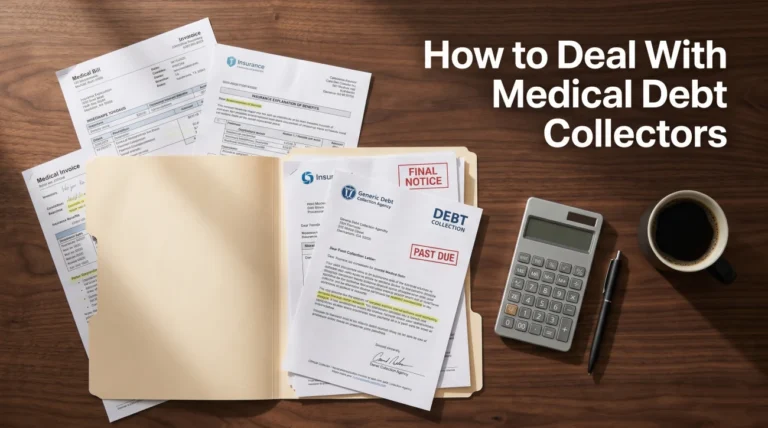

- There is no single expiration date for unpaid hospital accounts because you are actually dealing with two separate clocks running at the same time.
- The credit reporting timeline governs how long the account damages your credit score, which is generally seven years from the original delinquency date.
- The statute of limitations governs how long a collector has the legal right to sue you, which is determined by your state laws and is usually much shorter than seven years.
- Making a partial payment on an old account can restart the lawsuit timeline, turning uncollectable accounts back into active threats.
Understanding the Two Clocks on Your Account
When patients call the billing department confused about a very old bill, they almost always ask the exact same question. They want to know how long does medical debt stay in collections. It sounds like a straightforward question that should have a single, firm answer. In reality, asking how long until medical debt is removed from collections is actually asking two completely different questions disguised as one.
When I worked inside hospital financial operations reviewing aged accounts, I saw this confusion cost patients thousands of dollars. People would read generic advice about a “seven year rule” and make dangerous assumptions about their legal safety. They would either ignore a fresh lawsuit because they thought the debt was too old, or they would make a small payment on a dead account and accidentally give the collector the right to sue them all over again.
To navigate this safely, you have to separate the two timelines. One timeline controls your credit score. The other timeline controls your legal exposure. They do not expire at the same time, they are governed by different laws, and confusing them is exactly what third-party debt buyers hope you will do.
Timeline 1: The Credit Reporting Window
When most people ask how long do medical bills stay in collections, they are primarily worried about their credit score. They want to know how long this negative mark will prevent them from buying a house, getting a car loan, or passing an employment background check.
The Fair Credit Reporting Act (FCRA) sets this boundary. By federal law, most negative information, including medical collections, must be removed from your credit report seven years from the original date of delinquency. The original date of delinquency is the date your payment was first past due with the original hospital or doctor, not the date it was sold to a debt buyer.
The New Protections for Medical Accounts
Recently, the credit reporting rules for healthcare accounts changed significantly in favor of the consumer. Even if you are within that seven year window, your account might not be eligible for credit reporting at all.
- The 365-day grace period: Collectors cannot place an unpaid medical bill on your credit report until it is at least one year past due. This gives you time to resolve insurance disputes without credit damage.
- The threshold rule: The three major credit bureaus voluntarily agreed to stop reporting medical collections under $500. If your balance is $450, it should not be on your credit profile regardless of its age.
- Paid accounts: Paying a collection does not reset the clock, but the account simply changes status from “in collections” to “paid collection.” It does not automatically disappear from your report unless you specifically negotiated a pay-for-delete agreement before payment.
If you have an account that violates these rules, you do not have to wait seven years. You can take immediate steps toward removing the tradeline from your credit profile completely through a targeted dispute.
Timeline 2: The Statute of Limitations for Lawsuits
The second timeline is arguably much more dangerous. This is the statute of limitations (SOL). The SOL does not care about your credit report. It dictates how long a collector has the legal right to file a lawsuit against you to force payment.
Unlike the federal credit reporting timeline, the statute of limitations is set by state law. Depending on where you live, this window is typically between three and six years. The clock usually starts running from the date of your last payment or the date the debt originally became due. Once that window closes, the debt is considered time-barred.
“From inside the collections industry, the strategy around the statute of limitations is highly calculated. Debt buyers track these state dates meticulously. If an account is getting close to the SOL expiration, you will often see a sudden spike in urgent letters and phone calls. They are trying to force a reaction before their legal window closes.”
When an account is past the SOL, the collector can no longer take you to court. If they do try to sue you on a time-barred debt, you have an absolute legal defense. To find the exact legal window for your location, you should check our complete breakdown of medical debt laws by state.
Why Confusing the Two Timelines Is Expensive
The danger zone for patients occurs because these two clocks run independently. How long can medical debt stay in collections as an active legal threat is a completely different calculation than how long it damages your credit score.
Believing that because a debt is five years old and no longer showing on your credit report, the collector has no power and can be safely ignored.
Depending on your state, a five year old debt might still be within the statute of limitations. A collector could legally file a lawsuit against you tomorrow, even if your credit report looks perfectly clean.
The reverse is also true. You might live in a state with a very short three year statute of limitations. After three years, you are safe from a lawsuit. However, that account will continue to sit on your credit report, dragging down your score, for another four years until it hits the federal seven year limit. If you are trying to understand what actually happens at the 7-year mark, you must look at both your state laws and federal credit rules together.
Here is the practical math you should do right now to assess your real risk:
- To find your lawsuit risk: Take the date of your last payment (or the date the bill was due) and add your state’s statute of limitations. That is the exact date the collector loses their legal power to take you to court.
- To find your credit report impact: Take your original date of delinquency and add exactly seven years. That is the date the account must legally vanish from your credit profile.
The Danger of Restarting the Clock
If you take nothing else away from learning when does medical debt leave collections, it should be this rule. Do not make random partial payments on old accounts without a written strategy.
When a debt passes the statute of limitations, it loses its teeth. The collector cannot sue you. But if you make a payment, even a tiny one, or if you sign a document acknowledging that the debt belongs to you, many states dictate that you have just restarted the statute of limitations clock from day one.
⚠️ Warning: Collectors will often use soft language to bait you into restarting the clock. They will say things like, “Can you just put five dollars down today to show good faith and pause the calls?” If the debt is already past the SOL, that five dollar payment just bought them another several years to legally sue you for the entire balance.
This practice is so common it has a name in the industry. Understanding how expired accounts become zombie debts is your best defense against debt buyers who purchase incredibly old accounts for pennies on the dollar.
The Anxiety of the Unknown Timeline
If you are reading this, you are likely staring at a collection letter from a company you do not recognize, trying to figure out if you should wait it out or act now. The anxiety usually comes down to two specific fears: you are either terrified they are going to garnish your paycheck tomorrow, or you are worried this one old hospital visit is going to ruin your chance at an upcoming apartment lease or mortgage.
When you do not know which timeline applies to your situation, every piece of mail feels like a ticking clock. But a scary letter does not mean they actually have the legal power to ruin your life. If the lawsuit window has closed, their legal threats are mostly hollow. If the credit window is closing, your score is about to recover automatically. You just have to figure out which clock you are racing against.
Final Thoughts: Build Your Strategy on Facts
Collectors rely heavily on you panicking. They want you to confuse the credit reporting timeline with the legal statute of limitations so you make an emotional mistake, like making a five-dollar payment that revives a legally dead account. You have the right to demand validation, check your original service dates, and map them against your state laws. Stop guessing, find your actual timelines, and force the collector to operate within the strict boundaries of the law.
❓ FAQ
🗓️ How long does medical debt stay on your credit report?
By federal law, medical collections can remain on your credit report for up to seven years from the original date of delinquency. However, unpaid balances under $500 and collections that are less than one year old should not appear on your report at all.
⚖️ When does medical debt legally expire?
The legal right for a collector to sue you expires based on your state’s statute of limitations, which typically ranges from three to six years. Once this window passes, the debt is considered time-barred, though collectors can technically still ask you to pay it.
💸 Does paying a medical collection restart the seven year clock?
No. Paying a collection account does not restart the seven year credit reporting clock. The account simply changes its status from “in collections” to a “paid collection” for the remainder of that seven-year window, unless you negotiated a pay-for-delete agreement.
🔄 Can making a small payment restart the lawsuit timeline?
Yes. In many states, making a partial payment on an old, time-barred account will restart the statute of limitations from day one. This revives the collector’s legal right to file a lawsuit against you for the remaining balance.
🛑 Will medical debt just go away if I ignore it?
Ignoring it does not make the debt disappear. While it will eventually fall off your credit report after seven years, ignoring a fresh debt could lead to a lawsuit and a default judgment long before that seven year mark arrives.
🏥 How long does a hospital wait before sending a bill to collections?
Most hospitals wait between 90 and 120 days after the first billing statement before assigning the account to a third party collection agency. Nonprofit hospitals have specific federal rules they must follow before sending accounts to collections.
📱 Why am I getting calls about a medical bill from eight years ago?
You are likely dealing with a debt buyer who purchased old portfolios for pennies on the dollar. While they can still call and ask for payment, a debt that old is likely past the statute of limitations and cannot be legally enforced in court.
🗑️ How do I get an old medical bill off my credit report?
If the debt is over seven years old or under $500, you can file a direct dispute with the three major credit bureaus to have it removed. If you negotiated a pay-for-delete agreement and the account is still showing, you can dispute that as well. By law, bureaus must investigate and delete information that violates reporting rules.
Medical Debt Collection
The laws governing what collectors can do and the specific situations where those laws matter most.
- The full legal framework: five federal laws governing what collectors can and cannot do
- How to Get Out of Medical Debt Collections: The Four Paths and Which One Fits Your Situation
- What to Say to Medical Debt Collectors: The Exact Phrases That Change the Conversation
- Zombie Medical Debt: What It Is, How It Comes Back to Life, and How to Stop It
- Can Medical Debt Collectors Garnish Your Wages? The 45-State Reality and How to Protect Yourself
When the Collector Won't Stop
Knowing your rights matters. These cover what to do when the collector does not back down.
- How to use a HIPAA violation to push back on the collector that is pursuing you
- Negotiating the original bill before the collector gains more leverage over the account
- What collectors in this situation will actually accept and why the math works for both sides
- Whether a structured relief program makes sense when a collector is already involved
- Removing the collection account from your credit report after the account is resolved
Disclosure: The content on this site reflects direct experience inside hospital billing and medical debt collection, and is grounded in federal law and regulation. It is informational in nature. Reading it does not constitute legal advice and does not create any professional relationship. If you are facing a lawsuit, a judgment, or a legal deadline, consult a licensed attorney in your state before taking action.