$500 Medical Debt on Credit Report: What the Threshold Actually Means for You

$500 Medical Debt On Credit Report

Medical debt under $500 is not reported to credit bureaus. This is a voluntary policy adopted by Equifax, Experian, and TransUnion, not a federal law. The threshold is precise. A debt of exactly $500.00 is reportable. The balance must be strictly under $500 to be excluded from your credit report. Multiple small bills (like three … Read more


Medical Debt Forgiveness Programs: What’s Available, Who Qualifies, and How to Find Them

Medical Debt Forgiveness Programs

There is no single federal program that erases medical bills, but a patchwork of hospital policies, state laws, and nonprofit initiatives forgive billions in medical debt every year. Nonprofit hospitals are required by federal law to offer financial assistance. If you qualify based on income, they must forgive all or part of your bill. You … Read more

Reasons to Dispute a Medical Bill: What Counts (And What Doesn’t)

Reasons To Dispute A Medical Bill

Not every expensive medical bill qualifies for a formal dispute, but there are specific legal and factual grounds that force a hospital to correct your balance. Valid reasons include concrete coding errors, services you never received, insurance processing failures, and violations of the federal No Surprises Act. Financial hardship is not a valid basis for … Read more

Your Medical Debt Was Sold to a Collection Agency: What That Means and What Changed

Medical Debt Sold To Collection Agency

When a hospital sells your debt, they transfer full legal ownership to a debt buyer for a tiny fraction of the original balance. Debt buyers typically pay between 3 and 7 cents on the dollar for medical accounts, which is why they have so much room to negotiate. Once sold, your account is fully covered … Read more

Does Medical Debt Have a Statute of Limitations? Yes, Here Is What That Means

Does Medical Debt Have A Statute Of Limitations

Yes, every state enforces a strict time limit on how long a collector can sue you for unpaid medical bills. This legal window ranges from 3 to 10 years depending on your state, with most states falling in the 4 to 6 year range. When this time limit expires, the debt becomes “time-barred.” Collectors can … Read more

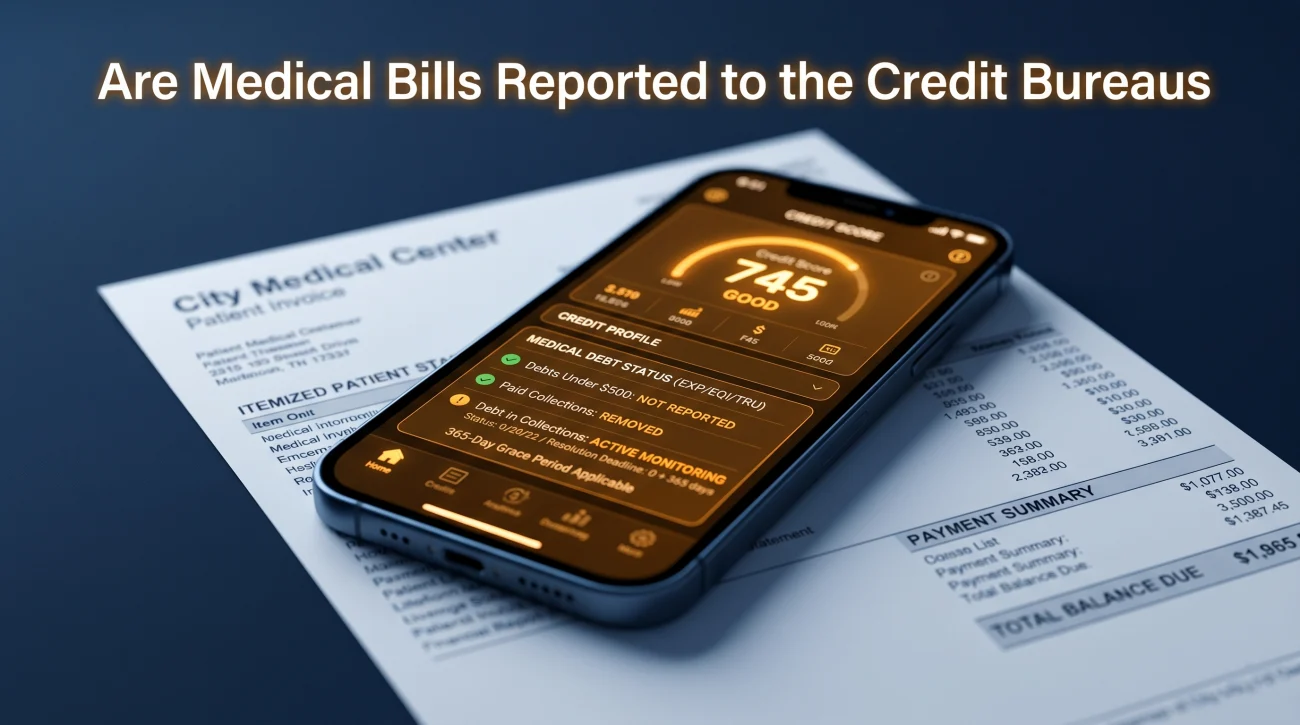
Are Medical Bills Reported to the Credit Bureaus? How the Reporting Process Actually Works

Are Medical Bills Reported To The Credit Bureaus

Hospitals and healthcare providers almost never report medical debt directly to credit bureaus; collection agencies handle the reporting after acquiring the account. Under current voluntary bureau policies, medical debt cannot be reported until it has been in collections for at least one full year. Medical collections with an original balance under $500 are entirely excluded … Read more

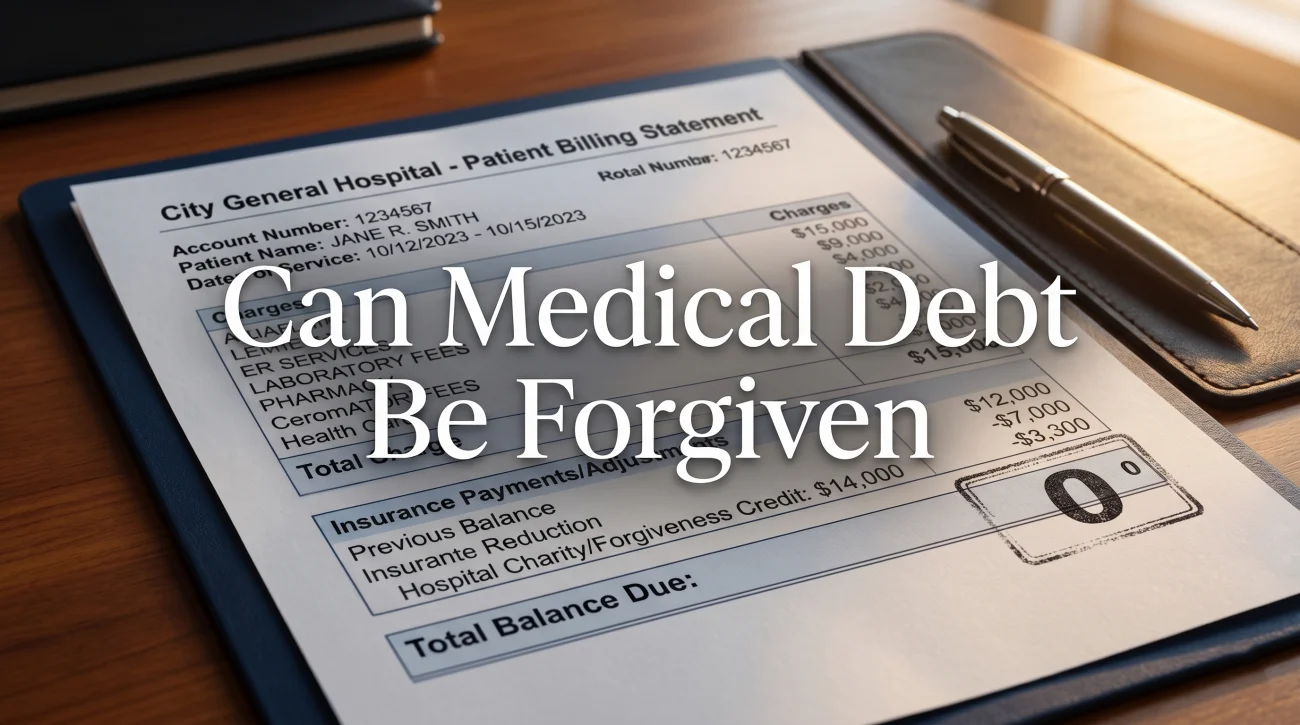
Can Medical Debt Be Forgiven? Yes: Here’s Who Qualifies and How

Can Medical Debt Be Forgiven

Yes, medical debt can be completely forgiven, but it depends on who holds the account, your income, and your geographic location. Nonprofit hospitals are required by federal law to offer financial assistance, which can forgive 100% of the bill for families making up to $96,000 a year. Unlike credit card debt, forgiven medical debt is … Read more

How to Dispute an Incorrect Medical Bill: The Steps That Actually Get Errors Corrected

How To Dispute An Incorrect Medical Bill

Finding a billing error is only the first step; getting it fixed requires a formal, written dispute that forces the billing department to review the specific coding rules. Never rely solely on a phone call to dispute a charge, as verbal complaints rarely trigger the formal review queue and often leave no paper trail. A … Read more

Can Medical Debt Go to Collections? Yes – Here’s Exactly When and How

Can Medical Debt Go To Collections

Yes, medical debt can go to collections, and it is entirely legal for healthcare providers to assign or sell your unpaid bills to third-party agencies. It rarely happens immediately. Most hospitals and clinics follow a 60 to 120-day billing cycle before sending an account to a collector. If you were treated at a nonprofit hospital, … Read more

Medical Debt Statute of Limitations: How Long Collectors Have to Sue You

Medical Debt Statute Of Limitations

The statute of limitations (SOL) on medical debt is the legal timeframe a collector has to file a lawsuit against you. Depending on your state, this legal window ranges from 3 to 10 years. Once the time limit expires, the debt is considered “time-barred,” meaning the court system is no longer available to the collector. … Read more

Can Medical Debt Be on Your Credit Report? The Current Rules Explained

Can Medical Debt Be On Your Credit Report

Medical debt can only be reported if the original balance is over $500 and the account has been in collections for more than one year. Paid medical collections and debts under $500 are protected by voluntary credit bureau policies and will not appear on your report. Hospitals do not report your debt directly to the … Read more

Medical Debt Relief: What It Actually Means and Which Options Are Available to You

Medical Debt Relief

Medical debt relief is not a single government program. It is an umbrella term that covers three distinct paths: forgiveness, settlement, and management. Your options depend entirely on who currently holds your account. If the hospital still owns the bill, forgiveness is possible. If a collection agency owns it, settlement is your primary path. The … Read more

Hospital Bill Overcharge: How to Find It, What Types Exist, and What to Do About It

Hospital Bill Overcharge

An overcharge is rarely a random high number; it is usually a specific, disputable data entry or coding error. The five most common errors are duplicate charges, upcoding, unbundling, billing for services not rendered, and patient information mix-ups. You cannot spot these mistakes on a summary statement. You must request a fully itemized bill and … Read more

What Actually Happens When Medical Debt Goes to Collections (The Part No One Explains)

What Happens When Medical Debt Goes To Collections

Once your account leaves the hospital, you are no longer dealing with a healthcare provider – you are dealing with a business focused entirely on financial recovery. There are three distinct types of collectors (assigned agencies, primary buyers, and downstream buyers), and knowing which one is calling you dictates exactly how much leverage you have. … Read more

The 2AM Collector Call: And What It Changed About How I Think About Medical Debt

The 2am Collector Call

Debt collectors frequently use high-pressure tactics, like calling at unexpected hours, to create a false sense of emergency and force immediate payments. Under federal law, phone calls from collectors before 8:00 a.m. or after 9:00 p.m. in your local time zone are illegal and can be documented as violations. Fear costs patients money. By requesting … Read more

Why I Started Telling Patients What Hospital Billing Departments Don’t Want Them to Know

Hospital Billing Secrets

Hospital billing departments are structurally designed to collect revenue, not to navigate patients toward financial relief programs. Millions of dollars in medical debt could be erased every year through existing charity care programs, but patients rarely receive this help because they do not know to ask. The rules governing hospital billing and collections are public, … Read more